Virtual Power Plants and U.S.-Made Batteries: What California Homeowners Should Know
Home batteries are becoming more than backup equipment. Across California and other regions, connected batteries can work together as a virtual power plant, helping reduce pressure on the grid during hot evenings. At the same time, U.S.-made battery cells and new solar manufacturing plans could shape system pricing, availability, and energy independence in the years ahead.
Key takeaways
- Virtual power plants combine thousands of home batteries to support the electric grid during peak demand.
- California homeowners may earn compensation for allowing their batteries to discharge when energy is most needed.
- More U.S. battery manufacturing could improve supply and support domestic energy storage.
- Utility-scale projects show how solar, batteries, and smart controls can work together.
- The right home system still depends on your usage, rate plan, roof, and backup goals.
How a virtual power plant works
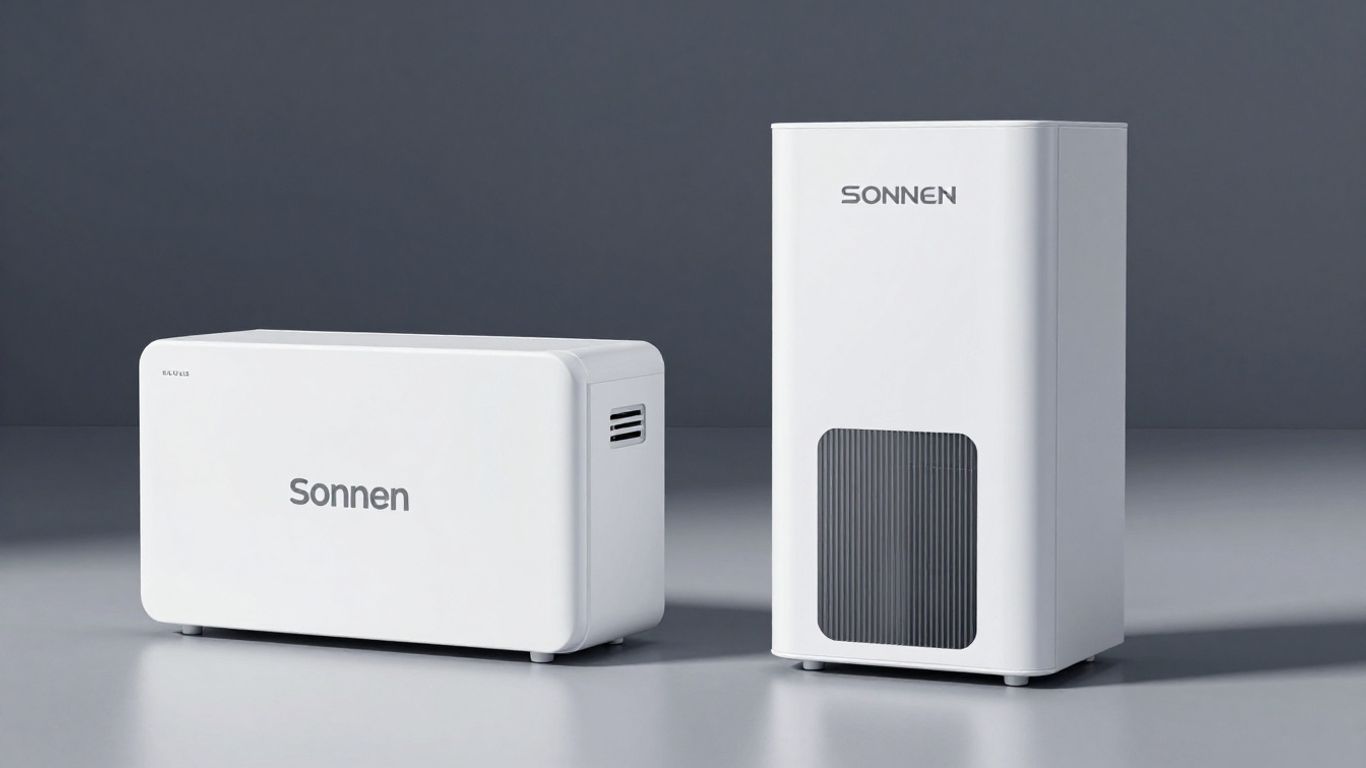
A virtual power plant, or VPP, links many individual batteries through software. Each battery remains in the homeowner’s house, but the network can respond as one large energy resource.
During a hot afternoon or evening, demand can rise quickly as homes turn on air conditioning. Instead of relying only on large gas-fired power plants, the utility or program operator can draw a small amount of stored energy from participating homes.
One home may provide only a few kilowatts. Thousands of homes together can provide a meaningful amount of power. In one reported regional event, more than 5,000 participating homes supplied around 60 megawatts during peak demand. That is enough to show why utilities are paying closer attention to residential batteries.
The process is mostly automatic. A homeowner enrolls in an approved program, sets any backup preferences, and allows the battery to participate. The system then manages charging and discharging within those limits.
Why California is a strong fit for VPPs
California has plenty of solar, but solar production falls in the evening just as household demand often rises. This creates the familiar “duck curve” problem: lots of power is available during the middle of the day, followed by a sharp need for electricity after sunset.
Home batteries can help bridge that gap. They store extra daytime solar and release it later, either for the homeowner’s use or, through a VPP program, for the wider grid.
There are several possible benefits for California homeowners:
- Lower electricity costs: Stored solar can reduce the amount of grid power used during expensive evening hours.
- Backup protection: A battery can keep selected appliances running during an outage.
- Program payments: Some VPP programs offer enrollment incentives or payments for grid services.
- Better use of solar: More of the energy produced on the roof can be used at home instead of sent to the grid.
Program terms vary. Payment rates, minimum battery sizes, event limits, and backup settings should all be reviewed before enrolling. A good installer should explain those details plainly rather than treating the program as guaranteed income.
What U.S.-made battery cells could change
Large battery systems are also moving toward more domestic manufacturing. New lithium iron phosphate, or LFP, battery cells are being produced in Nevada and assembled into large battery units in the United States.
That matters for a few reasons. Domestic production may help reduce dependence on overseas supply chains, add manufacturing capacity, and make it easier for energy companies to source batteries as demand grows.
Federal manufacturing incentives can also lower the effective cost of producing battery cells and modules in the United States. Those savings do not automatically appear as a discount on a homeowner’s installation, but they can influence the wider market over time.
For homeowners, the practical questions are simpler:
- Who made the cells?
- What chemistry does the battery use?
- How much usable capacity is available?
- What happens when the battery reaches the end of its warranty?
- Is the equipment covered for both home backup and VPP participation?
Helios Energy Global focuses on custom-designed solar and battery systems, so these details matter from the beginning. A battery should fit the home, not just a sales spreadsheet. Modern placement, clean wiring, warranty coverage, and clear pricing are part of the decision.
Solar and storage are moving toward one system
New manufacturing investments suggest that solar and storage may increasingly be planned together. Large factories are being built to produce battery equipment, while solar companies continue expanding panel production and installation capacity.
The same idea is visible in large solar-powered charging and energy sites in California. One reported project combines extensive solar generation, a large battery, and a substantial number of charging stations. While a homeowner does not need anything close to that scale, the basic design is familiar: generate energy during the day, store it, and use it when demand is higher.
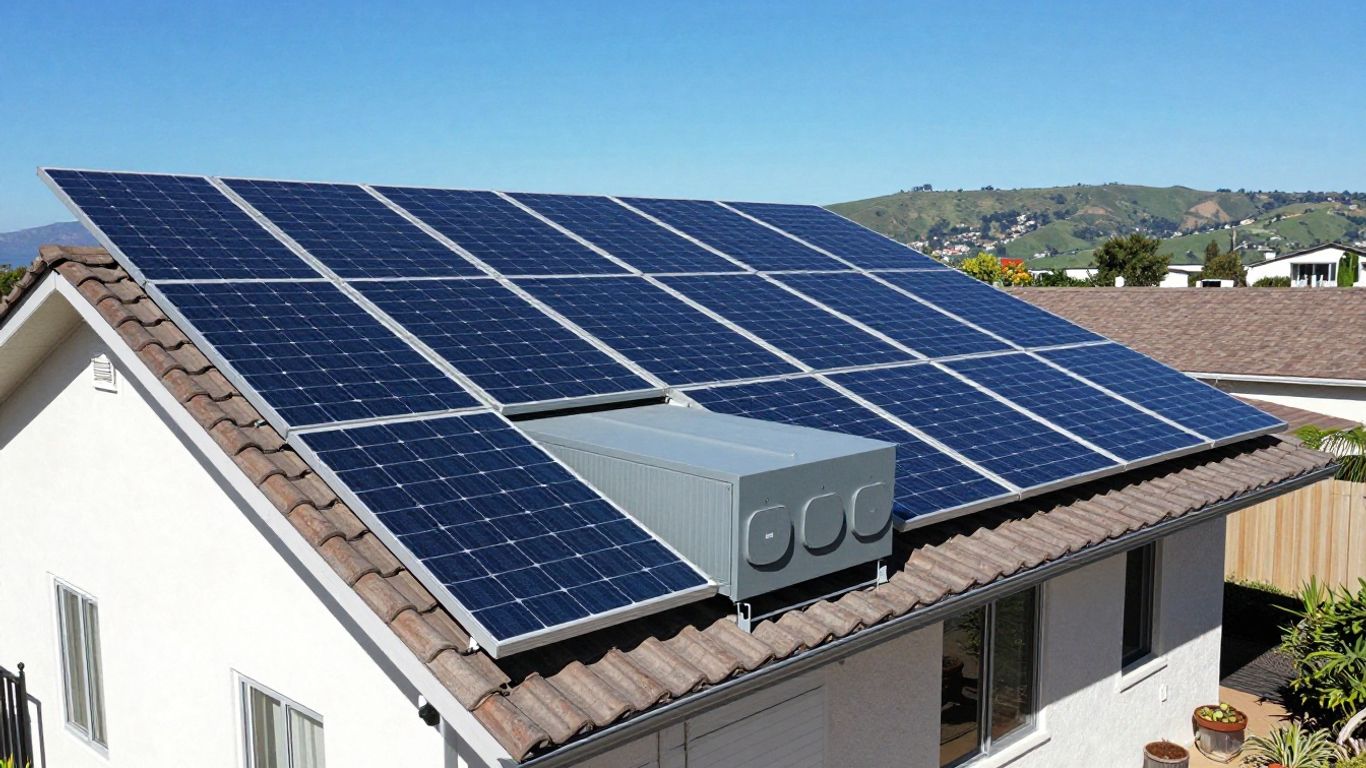
For a house, that may mean rooftop solar paired with a battery sized for essential loads such as refrigeration, lighting, internet equipment, and selected heating or cooling circuits. Some homeowners choose a larger battery to cover more of the evening or provide longer outage protection.
How this affects your solar decision in California
The growth of VPPs and battery manufacturing is encouraging, but it does not mean every homeowner needs the biggest battery available.
Start with your actual goals:
- Do you mainly want lower monthly bills?
- Is outage protection important?
- Are you interested in earning payments through a VPP?
- Will your utility rate change in the next few years?
- Do you expect to add an electric heat pump or other major loads later?
Ask for a design that shows expected solar production, battery usage, backup capacity, warranty terms, and total price. Be cautious with estimates that rely on uncertain program payments or assume perfect system performance.
For Southern California homeowners, the best system is usually the one that balances financial savings, reliable backup, and a clean installation. Helios Energy Global’s approach is to make that tradeoff clear, with transparent pricing, intentional design, strong warranties, and owner involvement throughout the process. A battery can be a grid resource, but first it should work well for your home.