Top 5 Best 48V Solar Batteries for 2026: A Buyer's Decision Guide
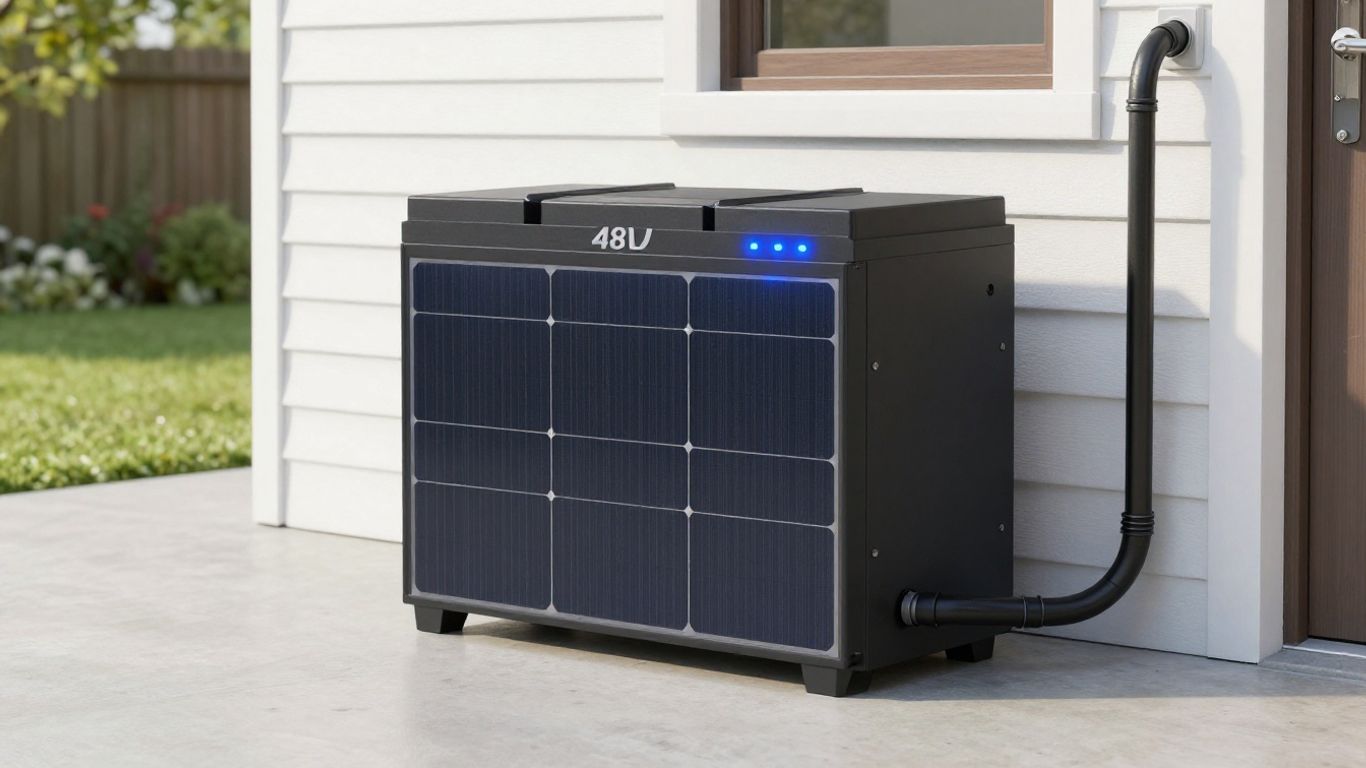
Selecting the right energy storage system can feel like a tall task, but it is one of the most important steps toward true energy independence. As we move into 2026, 48-volt systems remain the gold standard for off-grid and modular setups, offering homeowners a flexible way to expand their storage capacity without needing to overhaul their entire inverter configuration. At Helios Energy Global, we focus on helping you find a setup that balances performance, aesthetics, and lasting reliability.
Key takeaways for your home energy storage
- Modular flexibility: 48V systems allow you to scale your battery bank incrementally, making it easier to grow your system as your energy needs evolve.
- Lithium iron phosphate (LFP): All top-tier batteries now utilize LFP technology, which is widely considered the safest and most durable chemistry for residential use.
- Whole-home potential: While a single 16 kWh battery offers great utility, pairing two or more units is usually necessary to manage heavy startup loads like central air conditioning during an outage.
- Permitting matters: Always ensure the battery-inverter combination is approved in your local jurisdiction to avoid headaches during the interconnection process.
Understanding the 48-volt standard
Modular 48V architecture is a smart approach for many Southern California homeowners. Because these batteries are designed to pair with versatile hybrid inverters, you can install your inverter once and add battery modules as your budget or energy requirements change. This avoids the need to purchase excess inverter capacity upfront, keeping your initial project costs manageable.
Comparison of top 48V solar batteries
When comparing these options, it is important to look at how they fit your home's layout and your power demands. While capacities are similar, the installation requirements vary.
| Battery Model | Capacity | Cont. Power | Est. Weight | Best Feature |
|---|---|---|---|---|
| Discover Helios | 16 kWh | 10.2 kW | 300 lbs | Scalability |
| Renon Xtreme LV | 5.1-30.7 kWh | 10.2 kW | 100 lbs/mod | Modular handling |
| Pytes V16 | 16 kWh | 10.2 kW | 288 lbs | Compact square design |
| EG4 Wallmount | 16 kWh | 10.2 kW | 309 lbs | Indoor/Outdoor variants |
| Renon Xcellent Plus | 16 kWh | 10.2 kW | 350 lbs | Value-to-performance |
Balancing installation and performance
When you are planning your system, consider the logistics. Heavy batteries like the 350 lb Renon Xcellent Plus or the 300 lb Discover Helios require careful placement and, often, extra hands or professional lift equipment. If you are looking for an easier installation, the Renon Xtreme LV stands out because it breaks down into 100 lb modular building blocks, which is ideal if you are working in tight spaces or want to streamline labor costs.
For those needing a clean, professional aesthetic, options like the Pytes V16 include dedicated conduit boxes to keep wiring tidy—something we prioritize at Helios Energy Global to ensure both beauty and safety in every installation. Whether you choose the indoor or outdoor version of the EG4, ensure your location choice aligns with the manufacturer’s climate specs to protect your investment.
What this means for CA homeowners under NEM 3.0
Under NEM 3.0, the value of exporting solar energy back to the grid has shifted significantly. For California homeowners, the goal is now aggressive self-consumption. By maximizing your battery storage, you can store your excess solar generation during the day and power your home through the expensive evening peak hours. Choosing a robust 48V system allows you to build a storage capacity that ensures you rely on your own stored green energy rather than buying it from the utility at peak rates. We invite you to reach out to us at Helios Energy Global to discuss how a customized battery system can best serve your home’s specific usage patterns and keep your energy bills predictable.