A smarter path to solar: Why homeowners are changing their strategy
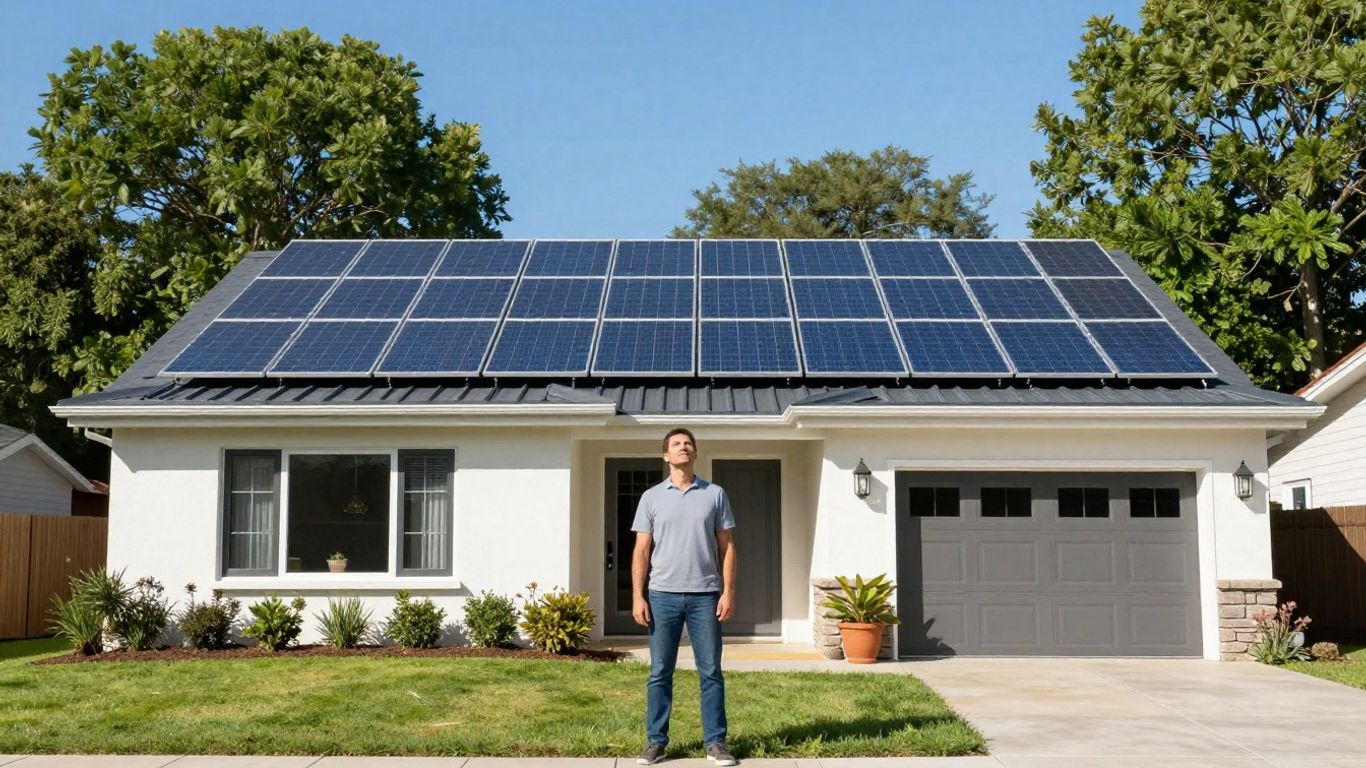
The landscape of residential solar has shifted significantly over the last few years. What was once defined by aggressive door-to-door sales and complex, opaque financing is slowly being replaced by a more grounded, educated approach. For Southern California homeowners, navigating this change requires looking past the shiny sales pitches and focusing on long-term reliability and energy autonomy. ### Key takeaways
- Transparency matters: Avoid systems bundled with hidden dealer fees that inflate your total contract price significantly.
- Support your local team: Choose an installer with a proven local track record to prevent your system from becoming "orphaned" if the business faces turbulence.
- Think beyond panels: In the current climate, solar is only half the equation; battery storage is often the key to true energy independence.
- Prioritize design: A well-integrated solar and battery system should be a functional, modern feature of your home, not an eyesore.
Moving past the 'free solar' myth
Let’s be honest: there is no such thing as free solar. Many past sales models relied on long-term financing schemes that made the systems look affordable by locking homeowners into 25-year debt structures. Often, these contracts contained hidden "dealer fees"—some as high as 40%—that you don't even see until the paperwork is signed. At Helios Energy Global, we believe that if you can't be transparent about the cost, you shouldn't be selling it. When you look for an installer, you should be asking for a clear, breakdown of costs so you know exactly where your money is going and what you are actually paying for in parts and labor.
Comparing energy storage solutions
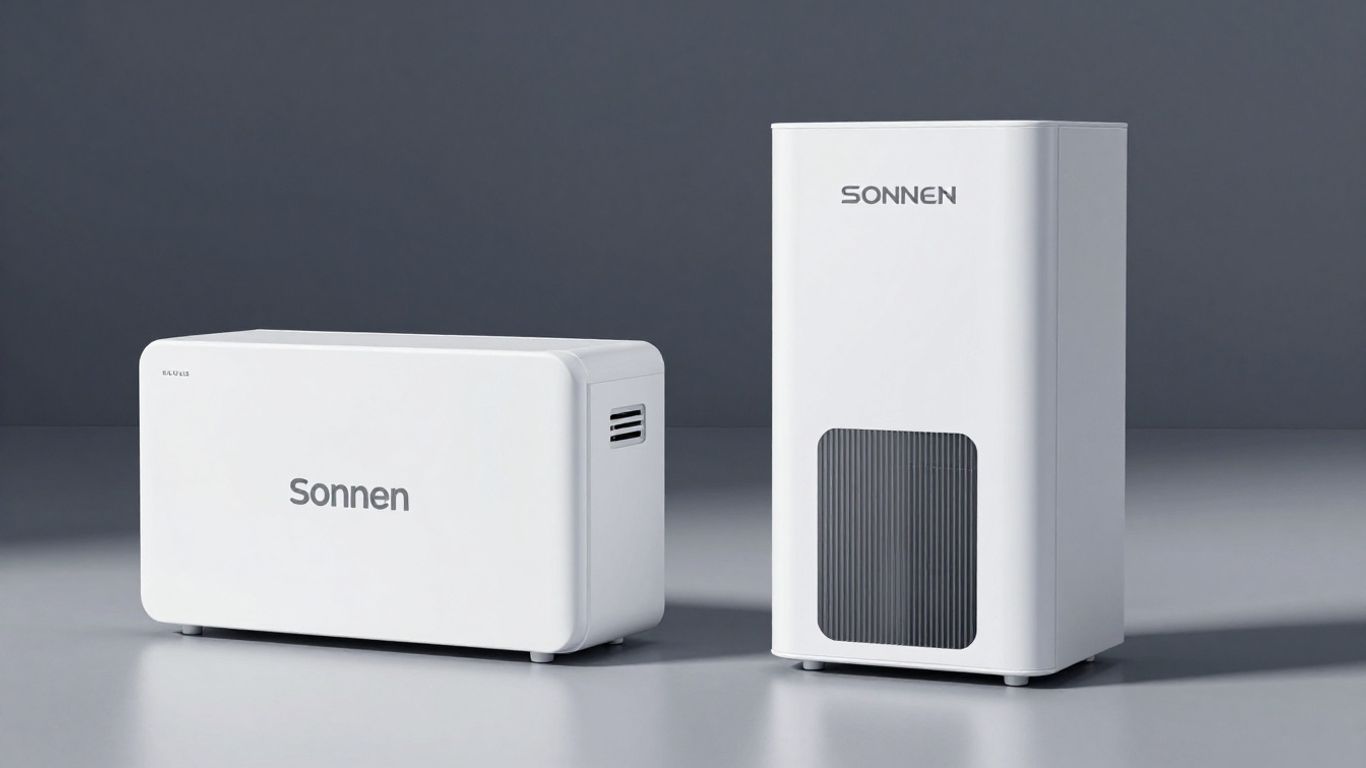
When you move toward self-consumption, the hardware you choose defines your experience. Reliability and longevity are the names of the game. Below is a simplified look at how some industry-standard storage solutions compare for a home setting.
| Battery Model | Capacity (kWh) | Power Output (kW) | Warranty (Years) | Est. Cost per kWh |
|---|---|---|---|---|
| Premium Lithium Ion | 13.5 | 5.0 | 10 | $850 - $1,000 |
| Standard LFP | 10.0 | 4.6 | 10 | $700 - $850 |
| High-Performance Stacked | 15.0 | 7.0 | 12 | $900 - $1,100 |
The danger of the 'orphaned' system
One of the biggest risks today is the "orphaned" system. This happens when a homeowner buys a solar system backed by a 25-year guarantee, only for the installing company to go bankrupt a few years later. Suddenly, you have a system producing power but no one to call for maintenance or repairs. This is why we prioritize confidence and stability at Helios Energy Global. We focus on custom designs that integrate into your home's aesthetic, ensuring that when we install a system, it is built with the intention of lasting decades, not just until the next market cycle shuts down a competitor.
Rethinking your solar goals
Solar isn't just about selling power back to the grid anymore. It is about taking control of your own energy. Whether you are dealing with potential grid instability or just want a more modern approach to your home's efficiency, the goal should be to build a system that works for your specific home layout. It is time to treat solar like any other home investment, such as a roof or HVAC upgrade—it requires research, honest pricing, and a installer who will be there when you need them.
What this means for CA homeowners under NEM 3.0
If you live in Southern California, you have likely heard about NEM 3.0. In short, the days of a simple one-for-one trade-off with the utility company are gone. You generally get less credit for the energy you send back to the grid during the day. This has changed the math: to get the most out of your investment, you need to store your energy and use it when rates are high. Self-consumption is now the primary driver for a strong return on investment (ROI). Pairing solar with a battery allows you to bypass the grid's price fluctuations, keeping your power usage under your own roof. For our clients, this makes battery storage not just a luxury, but a standard requirement for navigating the current energy market.